FILLING STATIONS CONSTRUCTION
Designing and Construction
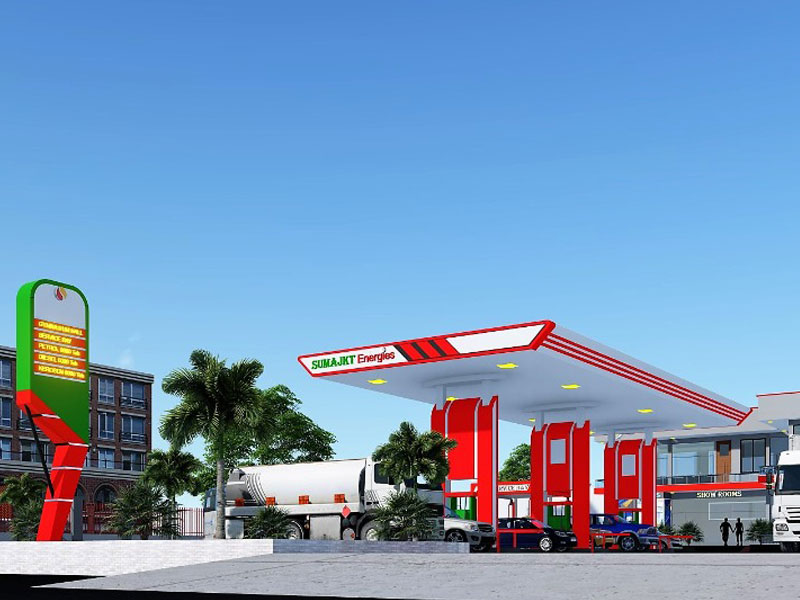
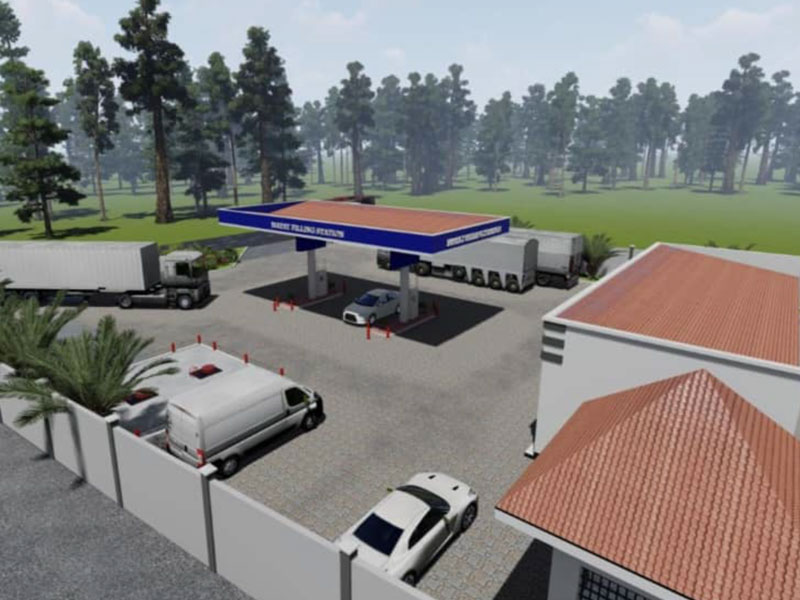
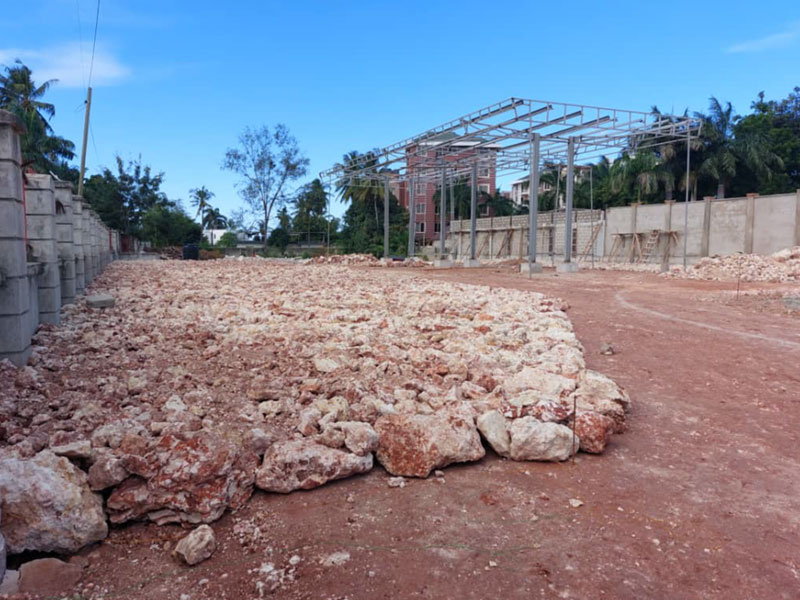
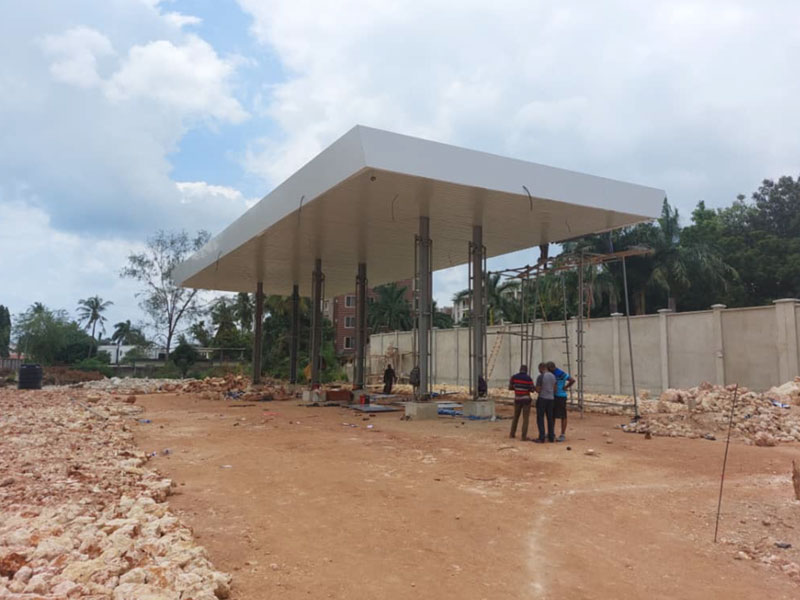
At LSM International offer comprehensive general and specialty construction services for gas stations, service centers, and transportation facilities, including consultation, engineering, design, project management, permitting, and fuel station equipment installation.
With over 30 years of proven success, we have developed an excellent reputation among our customers and within our subcontractor network. The pride we take in our workmanship is visible from project conception to completion. Our in-house electrical, mechanical, and plumbing professionals are passionate about their work and are always focused on exceeding our customer expectations.
Modernization of a gas station
Owners of gas stations that were built in the 1980s and 1990s may face a continuous decline in sales that may be due to an obsolete gas station. In addition to building new stations from scratch, we also offer modernization of gas stations. In the case of the modernization of the petrol station, the scope of services may include the design of a new look of the station, price pylons, preparation of the investment cost estimate and ultimately modernization activities that will significantly increase the visual value of the station and its functionali
1. Choosing a Sustainable Location for the Tank
When installing a fuel tank, it’s important to choose a location that is level, stable, and away from any potential sources of ignition or hazard. This will help ensure the safety of the tank and prevent accidents or spills.
Assess the Terrain – If you’re installing a fuel tank in rugged terrain, make sure it’s properly secured so it doesn’t tip over during transport or when parked at camp sites.
2. Ensuring Necessary Permits and Approvals
Before beginning the installation of a fuel tank, it’s essential to ensure that you have all necessary permits and approvals from your local authorities. This will help ensure that the installation is legal and safe.
3. Excavating the Area and Preparing a Stable Foundation
To support the weight of a full fuel tank, it’s important to excavate the area and prepare a stable foundation. This will help prevent the tank from shifting or tripping over, ensuring its safety and stability.
4. Carefully Placing and Securing the Tank
Once the tank is in place, it’s important to carefully secure it according to the manufacturer’s instructions. This will help prevent any accidents or spills, ensuring the safety of the tank and those around you.
5. Installing Safety Features
To further enhance the safety of the fuel tank, it’s important to install any necessary safety features. This may include spill containment systems or fire suppression equipment, depending on the specific installation.
6. Performing Safety Checks Before Use
Before putting the fuel tank into service, it’s important to perform a leak test and other safety checks. This will help ensure that the tank is operating safely and efficiently and prevent any potential accidents or spills.